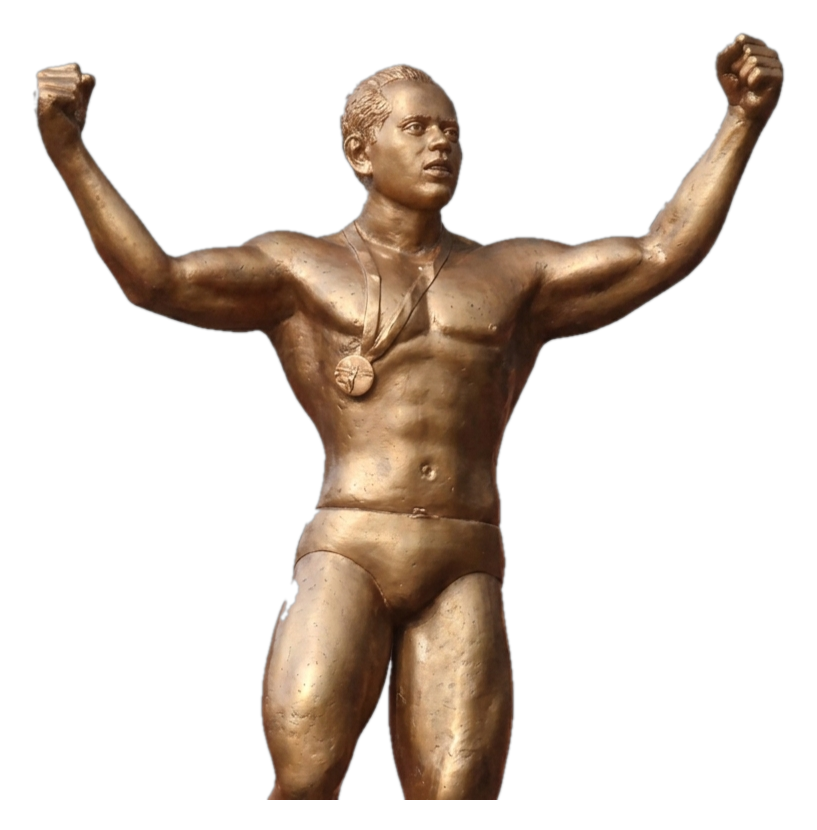
Chapter Three · August 1952
The Homecoming
151 bullock carts, seven hours, and ten kilometres of road between Karad station and Goleshwar.
Khashaba Jadhav came home to a reception that has no real parallel in Indian sport. There was no national felicitation, no government reward, no stadium ceremony. What there was instead was a district that turned out in its entirety.
From Karad station
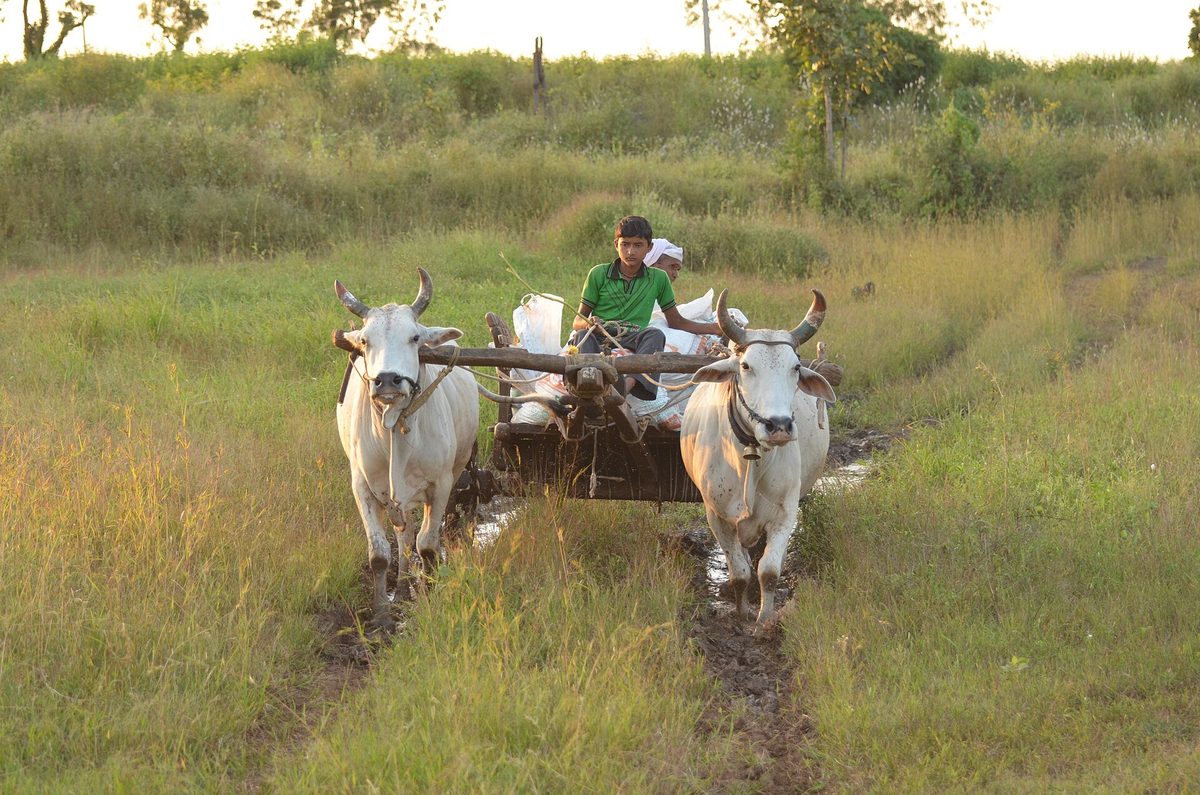
Crowds gathered at Karad railway station to meet his train. From there a procession formed of 151 bullock carts, accompanied by dhols — the drums of rural Maharashtra — to carry the medallist the roughly ten kilometres to his village.
The journey took about seven hours. A distance a car covers in fifteen minutes became a day-long celebration, with the procession stopping repeatedly as villages along the route came out to see him.
What it meant
India in August 1952 was five years old as an independent country, and still absorbing the trauma of Partition. Its Olympic identity rested on the field hockey team — a collective triumph, and a magnificent one. Khashaba's medal was something different: proof that an individual Indian, competing alone under the national flag, could finish among the first three in the world.
The village of Goleshwar, previously unknown outside its taluka, became briefly famous across the country. Khashaba's house was afterwards known as Olympic Niwas — Olympic House.
By one widely told account, before anything else, Khashaba went to his coach and placed the Olympic medal at his feet — a gesture of guru-shishya respect that says as much about the man as any of his bouts.
And then, quiet
The procession is where the celebratory phase of the story ends. There was no sinecure, no endorsement, no national award. Within three years Khashaba would take a job as a police sub-inspector, and the country that had briefly cheered him would take several decades to remember him again.